Two : Pizza Express has it. Yahoo has almost none.
Filed Under Blog
Part two of eight looks at the texture quotient and why telecoms sits at the bottom of it. Part one ended with a diagnosis rather than a cure.
You sell something invisible, and invisible things are easy to forget.So here is the vocabulary that makes the problem solvable, because successful telecom branding starts with being able to name the thing you are missing.
A brand’s texture is expressed in the physical and emotional properties you are able to experience. The physical aspects include everything from the quality of construction and materials to the smoothness of the paper. The emotional properties cover the experiential qualities: how the lighting or the service makes you feel when you are standing in a store, how long you are kept waiting, whether the person opposite you seems pleased you came in.
If your brand has a high degree of interaction with a consumer it has a high texture quotient. Pizza Express has a high quotient whereas Yahoo has almost zero.
Why this matters more to you than to anyone else
Telecoms sits close to the bottom of that scale, which is why successful telecom branding demands more discipline than branding a restaurant, a hotel or an airline will ever demand. A hotel cannot avoid texture. It has beds, corridors, keys, breakfast and staff, whether it thinks about them or not. You have almost nothing you did not deliberately decide to create.
Just because you have a low texture quotient does not mean you cannot deliver a great brand experience. But you do have to think about it, invest in it and commit to delivering it, and that rather goes against the fashion for outsourcing everything and becoming as virtual as possible, all in the name of cost reduction.
Here is the trap. When you are already defined by your intangibility, every one of those efficiencies only serves to dehumanise and so commoditise your brand further. The call centre moves offshore. The retail estate goes to a franchise partner. The bill becomes a PDF. Each decision saves money and each one removes a surface, until successful telecom branding is being attempted by a company that has systematically disposed of everything a customer could have touched.
Humans like texture
In the race towards lower costs, brands have also turned their offerings into inhuman commodities. A Coke in a paper cup is not so different to a Pepsi in the same cup. The Coke bottle on the other hand has a pleasurable textural quality to it and helps set the experience apart.
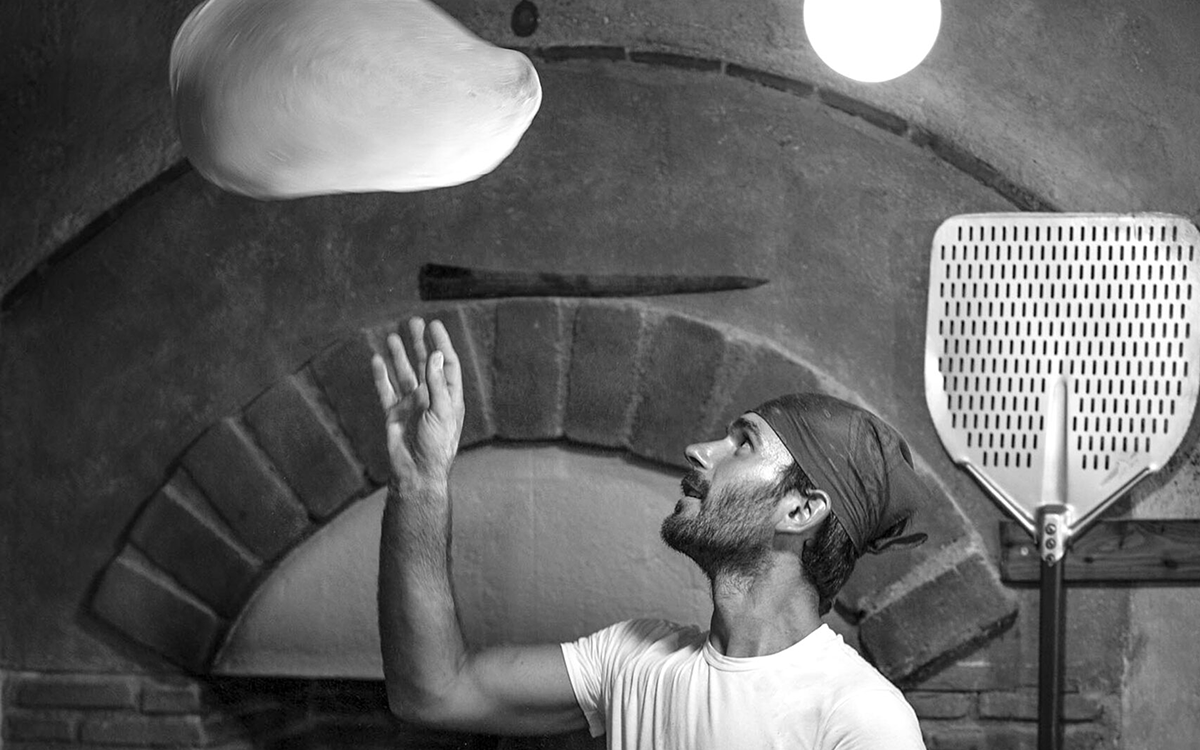
Humans like texture. We like to touch, taste, feel and believe. It is what makes us human, and it is the simplest reason successful telecom branding works when anyone bothers to attempt it.
“We touch things to assure ourselves of reality.” — Anni Albers
Albers spent a lifetime at the loom arguing that the hand knows things the eye cannot. She was right, and the argument travels a long way beyond textiles. A customer who can touch your brand believes in it differently to one who has only seen it advertised.
That is why we respond well to brands that understand who they are and convey their promise through relevant textural experiences. Texture gives us something to hang our life story on, and that is why we seek, buy and display brands that have it, because they allow us to convey something of our own narrative. Brands that do that are automatically more valuable, because we desire them more.
Next in part three: why texture is not a design indulgence at all, and why it is the cheapest and most durable form of proof a brand can own.
"We touch things to assure ourselves of reality."