Mall brand development: a strategic guide for marketing managers, general managers and leasing leaders at GCC and MENA malls. Let’s get right to it.
Ask a hundred shoppers why they came to your mall today. Most will say it was close. A good number will mention the parking. A few will name the cinema, or a restaurant their cousin swears by.
If you are lucky, two or three will say something closer to ‘I just like it here.’
Those two or three are your brand. Everyone else is borrowed. The day a newer mall opens one junction closer, they will be quietly handed back.
Here is the curious part. It is not unusual for a mall to spend more on a single atrium refurbishment than on the thinking that is supposed to give the whole place meaning. The marble is specified to the millimetre. The reason to visit is left to a tagline written in the final fortnight.
So what turns a mall from a convenient box of tenants into a destination people choose, recommend and return to? In a word: strategy. In practice: the eight disciplines below, applied before anything is designed.
In short: mall brand development is the strategic definition, design and rollout of a mall’s brand across every touchpoint (positioning, name, identity, wayfinding, digital channels, events and tenant communications) in a sequence that keeps the mall trading, keeps the tenants onside and gives shoppers a reason to choose it over the one down the road.
Why a mall rebrand is a transformation, not a logo
A mall brand transformation succeeds when the agency has already implemented mall brands, because the hard problems only reveal themselves on the mall floor. Designing a mall identity is a few months of work. Landing it across facades, car parks, wayfinding, digital channels, tenant communications and two languages, while the mall keeps trading, is a programme.
A mall is not a retailer. It is a landlord, a host, an events producer, a car park operator, a media owner and, increasingly, an entertainment and F&B destination, all under one roof. Its brand is delivered by hundreds of tenants it does not employ, security and customer service teams it often outsources and suppliers who will produce everything from the pylon sign to the parking ticket.
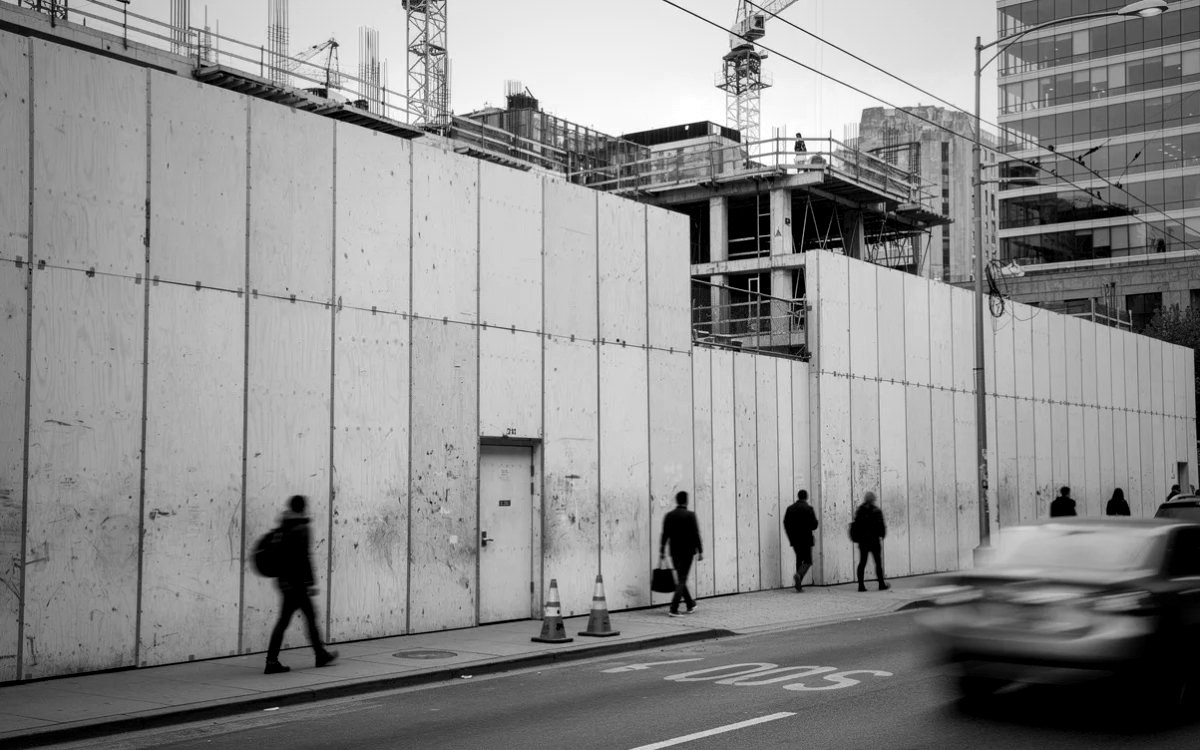
Unlike almost any other brand, it also cannot close for the refit. The mall must keep trading through the transformation, with hoardings up, tenants anxious and shoppers who notice everything.
That is why the best agency for mall brands is not simply the one with the prettiest logo in its portfolio. It is the one that has carried a mall brand from the board presentation to the car park barrier and knows exactly which tenant will call the general manager on launch morning (usually the anchor).
At Unisono we have spent more than two decades doing exactly that from our base in Manama, on retail, leisure and destination brands including Seef Mall, Marassi Galleria, Seef Entertainment and Bahrain Harbour. This article sets out what a strategic approach to mall brand development looks like in practice and how to tell whether your mall branding agency has the experience to deliver it.
The eight disciplines of a strategic mall rebrand
A strategic approach treats the mall brand as a programme to be designed, with the same rigour as the identity itself. In practice that means eight disciplines, each agreed before the creative work is signed off. Skip one and it will find you later, usually in front of your anchor tenants.
1. Strategic vision: for the project, the launch and beyond
A mall needs three visions, not one. The project vision defines what success means to the owner and the board: footfall, dwell time, leasing velocity, rental yield and asset value. The launch vision defines what shoppers, tenants and media should feel on relaunch day. The long-term vision defines what the mall must stand for in five to ten years, as retail keeps shifting towards F&B, leisure and experience and as the next competitor breaks ground one junction away.
In practice this means a C-suite workshop that ends with a written statement of intent and a clear position (family destination, lifestyle quarter, community hub or luxury address) signed off by the CEO. That statement settles the arguments later. Is this a family mall that sells fashion, or a fashion mall that welcomes families? Without a vision, leasing, marketing and operations will each run a different mall under the same logo.
2. Auditing and discovery: find the real issues first
Every mall believes it knows its own estate. Walk it with a clipboard and you will find otherwise: five generations of signage, a directory nobody has updated since the last fit-out, a car park that still greets visitors with the old logo, an app with two-star reviews and a tenant mix telling a different story to the advertising.
A proper discovery audit catalogues every touchpoint (physical, digital, printed, spoken and contractual), maps the competitive set within a realistic drive time and listens to shoppers, tenants and staff. It also identifies the equity worth keeping. Every established mall has its sacred cows: a much-loved landmark, a name the community uses, a family ritual at Eid. A strategic agency keeps them alive rather than designing them out of existence. When Seef Mall relaunched in 2013, its line ‘new look, same heart’ made exactly that promise in four words.
3. Stakeholder alignment: from the CEO to the print suppliers
Stakeholder alignment is the single biggest predictor of a successful mall rollout. Mall brands rarely fail in the studio. They fail in the approval room, in the tenant meeting and on the night shift when the new signage goes up.
A strategic agency maps every group with a role in delivery: the owner and board, the CEO and general manager, leasing, operations and facilities, security and customer service, the parent group or master developer, anchor and line tenants, F&B and entertainment operators, the municipality and, crucially, the suppliers who will physically produce the brand. Tenants deserve particular care. They are paying customers and co-producers of the experience, so they should hear about the new brand before the public does. The signage fabricator who has seen the wayfinding logic will protect it. The one who has only seen a PDF will ‘improve’ the arrows.
4. Team chemistry: make sure agency and client gel
A mall rebrand is a long relationship conducted on a live trading floor. Mall teams work seven days a week, peak at weekends and evenings and run late into the night during Ramadan. Your agency needs to be comfortable meeting on site, walking the floor with the general manager and fielding a call when an operator objects to the new fascia guidelines.
Chemistry is not a soft extra. It is the difference between a team that raises a problem on Sunday morning and one that hides it until the hoardings come down. Before committing, meet the people who will actually do the work (not just the people who pitched it), agree how disagreements will be escalated and decide who chairs the difficult conversations. The best agency for mall brands will welcome that scrutiny, because it has seen what happens without it.
5. Programme planning: scope every touchpoint in a viable matrix
The touchpoint matrix is the backbone of mall brand development. It lists every branded item, from the motorway pylon and facade signage to entrances, car parks, wayfinding, digital directories, screens, the website and app, loyalty and gift cards, uniforms, the customer service desk, prayer room and washroom signage, trolleys, strollers, shopping bags, hoardings, campaign templates and tenant fit-out guidelines. Each item is then scored by shopper visibility, cost, lead time, approval risk and dependency on other items.
The matrix turns an overwhelming inventory into a sequenced plan. High-impact, low-effort items (the digital channels, social media, uniforms, the service desk and the hoardings themselves, which make a superb launch teaser) move first. High-cost, long-lead items (facade signage, pylons and the wayfinding system) are phased against construction schedules and permits, so the mall is not paying to replace something twice. Everything gets an owner, a budget line and a date.
6. Timing: a roadmap that fits your essential milestones
A mall does not pause for a rebrand. The roadmap must work around Ramadan and Eid trading, summer, back to school, national days, shopping festivals, the November sales season and year-end, as well as redevelopment phases and major tenant openings.
A reasonable roadmap is built backwards from the immovable dates, then pressure-tested against supplier lead times and municipal approvals. Launching a new identity in the middle of your busiest fortnight is rarely wise, unless the launch is the event. If the relaunch date is fixed by the board, the plan must say plainly what will be ready by then and what follows in a managed second wave. An honest roadmap delivered on time beats an ambitious one delivered in pieces.
7. In-house talent: the availability of your marcom team
The most underestimated constraint in any mall rebrand is the client’s own team. Mall marcom teams are often lean and run an events calendar that never stops: activations, sponsorships, tenant promotions, seasonal campaigns and daily social content. Now they must also approve, brief, coordinate and launch a new brand.
A strategic agency plans for that reality. It asks early who is available, for how many hours a week and with what authority. It decides where its own team should carry the load (brand management, supplier briefing, quality control and tenant guidelines) and where your people must lead (tenant relations, leasing, government approvals and events). It also hands over brand tools and campaign templates, so that the Eid campaign eighteen months from now still looks like your mall and not like your newest freelancer.
8. Testing assumptions: leave nothing to chance
Every plan rests on assumptions and every untested assumption is a future change request. Does the wayfinding work for a first-time visitor carrying shopping bags and pushing a stroller? Does the brand colour survive the Gulf sun on an external pylon at three o’clock in August? Does the name sound right in Arabic and English, in every dialect your visitors speak? Will the digital directories render the bilingual typeface? Will the municipality permit an illuminated sign of that size? Will your anchor accept the co-branded entrance?
Testing means prototypes, on-site mock-ups, a pilot zone and shopper research before the full rollout is committed. It is far cheaper to find a problem in one corridor than across three floors.
Shade is planned, not found
In the Gulf we understand shade better than most. Nobody stumbles across it in August. Somebody decided exactly where it would fall, years before you parked under it.
Warren Buffett’s line about trees was made about patient investing, but it describes mall brands perfectly. The malls that feel effortless today (loyal families, full car parks, tenants queuing for space) are sitting in shade that someone planted with a clear strategy, a realistic plan and a great deal of foresight.
The problems a mall faces on relaunch day are almost all foreseeable. A strategic agency simply foresees them first, on paper and months earlier, when solving them costs a meeting rather than a reprint.
The mall rollout readiness checklist: does your agency understand what’s coming?
Use these questions in a chemistry meeting or alongside your RFP. An experienced mall branding agency will answer most of them without notes and will probably add a few you had not thought of. If an agency can confidently answer fewer than twelve, you are about to fund its education.
Vision and discovery
- Can they define success for the project, the launch and the five to ten years after it, in the terms your owners use (footfall, dwell time, leasing and yield)?
- Will their audit cover physical, digital, printed and contractual touchpoints, including car parks, directories and tenant agreements?
- Do they ask about your tenant mix, your anchors and the competitive set within a twenty-minute drive in the first meeting?
- Can they tell you which parts of your existing brand are equity worth keeping?
Stakeholders and team
- Do they have a plan to brief tenants, anchors in particular, before shoppers see the new brand?
- Can they explain how the mall brand should sit within your parent group’s or master developer’s brand architecture?
- Will they brief and quality-check your signage fabricators, print suppliers and digital agencies directly?
- Are the people who will do the work the same people in the pitch room?
Planning and timing
- Will they build a touchpoint matrix that scores every item by visibility, cost, lead time, approval risk and dependency?
- Does their roadmap work around Ramadan, Eid, summer, back to school and national day trading?
- Can they phase a rebrand alongside a live redevelopment without disrupting trading?
- Have they asked how many hours your marcom team can realistically give each week?
Testing and handover
- Will they test wayfinding, signage and colour on site, by day and by night, before the full rollout?
- Is Arabic treated as a design discipline from day one, not translated at the end?
- Will they deliver brand tools, tenant guidelines and campaign templates so your team can run the brand after launch?
- Can they show you a mall or destination brand they delivered years ago that still looks consistent today?
If the answers come back specific, grounded in named projects and slightly uncomfortable to hear, you have probably found the best agency for mall brands for your transformation. If they come back as adjectives, keep walking.
Mall brand development in practice: our retail, leisure and destination work
The projects below show the full arc of mall and destination branding, from positioning and identity through to entertainment sub-brands, digital platforms and the group brands that sit above them.
- Seef Mall. Rebrand (Mall, Bahrain) – A Transform Gold-winning rebrand for what has become Bahrain’s friendliest mall, also featured on Brand New
- Marassi Galleria. Rebrand (Lifestyle mall, Bahrain) – A simpler, more glamorous wardrobe for one of Bahrain’s most extraordinary lifestyle experiences
- Seef Entertainment. Branding (Leisure, Bahrain) – Silver Transform-winning branding that took Bahrain’s entertainment to a whole new level
- Yabeela. Branding (Family entertainment, Bahrain) – A Transform Gold-winning, bold and loud brand for Seef Entertainment, built for young Bahrainis and their parents
- Epix. Branding (Cinema, Bahrain) – A cinema brand built to match a monstrous upgrade in Bahrain’s cinematic expectations
- Bahrain Harbour. Rebrand (Mixed-use destination, Bahrain) – A dynamic identity for the new heart of the capital’s downtown
- Edamah. Rebrand (Real estate group, Bahrain) – A Transform Bronze-winning group brand for one of the Kingdom’s leading developers
- Bilaj Al Jazayer. Branding (Waterfront destination, Bahrain) – A Gold Transform-winning, authentically Bahraini destination brand
- Sama Bay. Branding (Beach destination, Bahrain) – Bahrain gets the beach it has been waiting for
Our work has earned 157 international awards, Rebrand Hall of Fame membership and, in 2024, ten of the Rebrand 100 awards including Best of Show. Awards are a proxy for craft. The projects above are the proof of delivery. See the full portfolio or read about our process.
Common questions
What is mall brand development?
It is the strategic process of defining what a mall stands for, then expressing it consistently across every touchpoint: name, identity, wayfinding, signage, digital channels, events, uniforms and tenant communications. Done well, it gives shoppers a reason to choose your mall beyond proximity and parking.
How long does a mall rebrand take?
Strategy and identity typically take three to five months. The full rollout usually takes a further six to eighteen months, depending on the size of the estate, signage permits, supplier lead times and whether the rebrand is tied to a physical redevelopment.
Should we rebrand during a redevelopment?
Usually, yes. Aligning the two avoids paying twice for signage and wayfinding, turns construction hoardings into a launch platform and gives shoppers a single, coherent story about the mall’s next chapter.
Who should own the rebrand inside the mall?
A named brand owner with board-level sponsorship, usually the head of marketing or the general manager. They should be supported by a steering group drawn from leasing, operations, facilities and customer service, plus an agency that carries much of the coordination load.
How do I find the best agency for mall brands in the GCC and MENA?
Look for evidence of implementation, not just design: malls and destinations the agency has rolled out across signage, wayfinding, digital and tenant communications, experience of working around a live trading environment, Arabic treated as a design discipline and a senior team based in the region. The checklist above will separate the field quickly.
___
Planning a brand transformation for your mall?
Unisono is a strategic branding agency headquartered in Manama, Bahrain, working with malls, destinations, entertainment businesses and group enterprises across the GCC, wider MENA and the UK. If you are looking for the best agency for mall brands to plan and deliver your transformation, start with our work on Seef Mall, Marassi Galleria and Yabeela, browse the portfolio or email us (or call +973 1755 8787) for a conversation about your brief… before the hoardings go up.

Someone’s sitting in the shade today because someone planted a tree a long time ago.